

 Liam Hartwell
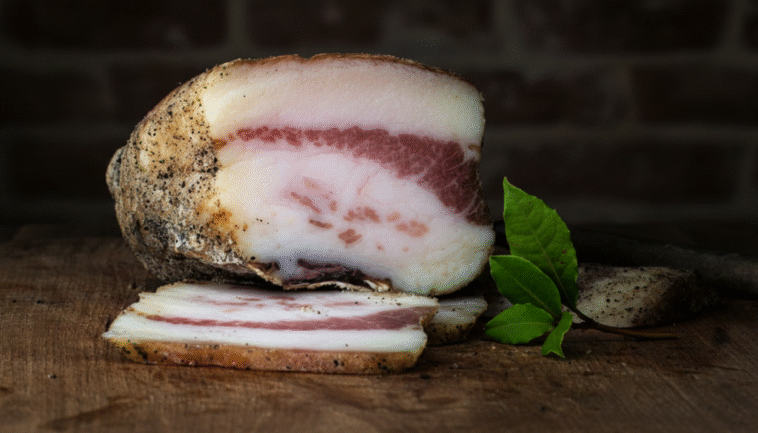
Italian cuisine is famous for turning simple ingredients into unforgettable flavors. Among its most treasured cured meats is guanciale, a traditional delicacy that plays a central role in some of Italy’s most iconic dishes. Yet outside Italy, many food lovers still confuse it with bacon or pancetta. Understanding what makes this ingredient special can completely change how you experience classic Italian cooking.
In this guide, you’ll discover where it comes from, how it’s made, how it tastes, and how to use it like a true Italian chef.
What Is Guanciale?
Guanciale is a traditional Italian cured meat made from pork jowl, or cheek. The name comes from the Italian word guancia, meaning “cheek.” Unlike bacon, which usually comes from the belly and is often smoked, this ingredient is dry-cured with salt, pepper, and spices, then aged for several weeks.
What makes it stand out is its rich fat content, which melts beautifully when cooked. This creates a silky texture and deep flavor that forms the backbone of many authentic Roman recipes.
Where Guanciale Comes From
Italy has a long tradition of preserving meat, and guanciale has been produced for centuries, especially in central regions such as Lazio and Umbria.
Roman Culinary Roots
Rome is where this ingredient truly shines. It is considered essential in classic Roman pastas like carbonara and amatriciana. Local chefs value it for its strong aroma, balanced saltiness, and the way it transforms simple pasta into a luxurious dish.
Protected Traditional Methods
Authentic versions are seasoned with black pepper, sometimes garlic or rosemary, then air-dried. No smoking is involved. This slow curing process allows the meat to develop its signature flavor and soft, creamy fat.
How Guanciale Is Made
The process of making guanciale is all about patience and precision.
First, the pork jowl is trimmed and rubbed generously with salt and spices. It is then left to cure for several days so the seasoning penetrates the meat. After that, it is hung in a cool, well-ventilated space to dry for weeks, sometimes months.
During this aging time, moisture slowly evaporates, concentrating flavor while keeping the fat tender. The result is a cured meat that is firm on the outside, silky on the inside, and intensely aromatic.
Guanciale vs. Pancetta vs. Bacon
Many people substitute other pork products when they can’t find the real thing. While this works in a pinch, there are important differences.
Cut of Meat
- Guanciale: pork cheek
- Pancetta: pork belly
- Bacon: pork belly, usually smoked
The cheek has a unique fat-to-meat ratio, which gives it a more luxurious mouthfeel.
Flavor Profile
This Italian specialty has a deeper, more complex taste than pancetta and lacks the smoky notes of bacon. Its flavor is bold but not overpowering, making it ideal for sauces.
Cooking Performance
When heated, it slowly renders fat, creating a glossy base perfect for pasta. Pancetta stays firmer, while bacon releases water and smoke flavor that can alter traditional recipes.
What Does Guanciale Taste Like?
The flavor is rich, savory, and slightly sweet, with subtle spice from its curing. When cooked, guanciale becomes lightly crisp on the outside while remaining tender inside. Its fat melts into sauces, coating pasta strands and carrying other flavors beautifully.
This is why many Italian chefs insist that without it, dishes like carbonara lose their authentic soul.
How Guanciale Is Used in Italian Cooking
This ingredient is not meant to be eaten like deli meat. It is primarily used as a cooking base.
Famous Dishes Made With It
- Pasta alla Carbonara – eggs, cheese, black pepper, and rendered fat
- Pasta all’Amatriciana – tomato, chili, pecorino, and crispy bits
- Pasta alla Gricia – the original, without tomato or egg
In each dish, the cured meat is gently sautéed until the fat melts and the edges turn golden.
Beyond Pasta
It can also be added to soups, sautéed vegetables, or used to wrap lean meats, where it bastes them naturally during cooking.
How to Store and Slice Guanciale
Proper handling keeps its quality intact.
Store it wrapped in parchment or vacuum-sealed in the refrigerator. It can last several weeks once opened. For cooking, it is usually cut into strips or small cubes. Removing the hard outer rind helps ensure a smooth texture.
Because of its firm structure, chilling it before slicing makes it easier to cut cleanly.
Can You Substitute Guanciale?
When you can’t find it, pancetta is the closest alternative, followed by unsmoked bacon. However, no substitute perfectly recreates the richness and aroma of guanciale. If authenticity matters, especially for Roman dishes, seeking out the real ingredient is worth the effort.
Why Every Foodie Should Try It
Exploring traditional ingredients opens the door to deeper culinary understanding. This pork delicacy teaches how texture, fat, and curing methods influence flavor. Once you cook with it, you’ll notice how much body and complexity it adds to sauces and how it elevates even the simplest recipes.
For anyone passionate about Italian food, experiencing this ingredient is almost a rite of passage.
Conclusion
Guanciale is more than just cured pork; it is a cornerstone of Italian culinary tradition. Made from pork cheek and aged with care, it delivers a richness and depth unmatched by common substitutes. Whether you’re recreating classic Roman pasta or experimenting in your own kitchen, this ingredient offers a true taste of Italy’s timeless food culture. Trying it once often changes the way people approach Italian cooking forever.
FAQs
What exactly is guanciale made from?
It is made from pork jowl or cheek, cured with salt, pepper, and spices, then air-dried.
Is guanciale the same as pancetta?
No. Pancetta comes from pork belly, while this ingredient comes from the cheek, giving it a different texture and richer flavor.
Can I eat guanciale raw?
Because it is cured, it can technically be eaten without cooking, but it is traditionally cooked to render the fat and enhance flavor.
Why is guanciale important in carbonara?
It provides the signature richness and aroma that define authentic Roman carbonara.
Where can I buy guanciale?
You can often find it in Italian specialty stores, gourmet markets, or online meat suppliers.