

 Liam Hartwell
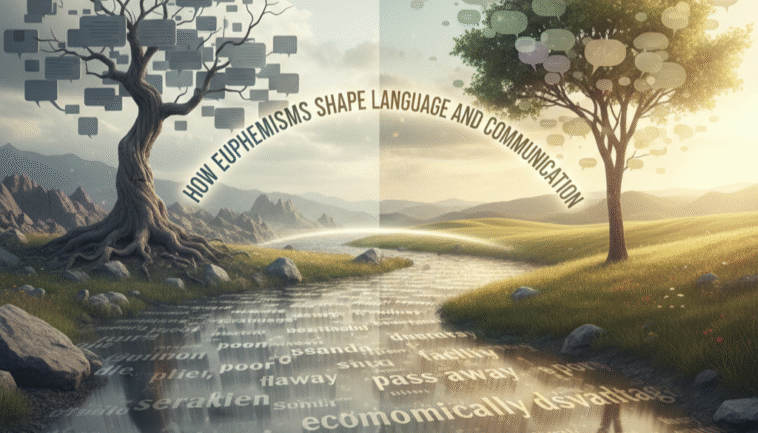
Language is not only a tool for sharing information it is also a way to manage emotions, soften reality, and maintain social harmony. One of the most powerful linguistic tools that helps achieve this balance is the use of euphemism expressions. These indirect phrases allow speakers to address uncomfortable, sensitive, or socially awkward topics in a more acceptable and polite way. From everyday conversations to media, politics, and professional communication, euphemism language quietly shapes how people perceive the world.
This article explores how euphemistic expressions influence language and communication, why they exist, and how they affect clarity, culture, and social relationships.
Understanding Euphemism Language
Euphemistic language refers to the practice of replacing a direct or harsh term with a softer, more agreeable expression. Instead of confronting difficult realities head-on, speakers often choose words that reduce emotional impact.
For example, people rarely say someone “died” in formal or emotional contexts; instead, they may say the person “passed away.” The meaning remains the same, but the emotional weight is reduced.
This linguistic strategy is deeply embedded in human communication because it allows people to:
- Show politeness and respect
- Avoid social discomfort
- Protect feelings
- Navigate taboo topics
Over time, such expressions become normalized and accepted parts of everyday speech.
Why Euphemistic Expressions Exist
The Psychological Need for Softened Language
Human beings are emotional communicators. Direct language can feel threatening, rude, or painful. Euphemism phrasing acts as a psychological buffer between reality and emotion.
People use softer terms when discussing:
- Death and illness
- Bodily functions
- Sexual topics
- Failure or incompetence
- Social and political conflict
This approach helps reduce anxiety and allows difficult discussions to happen without causing unnecessary distress.
Social Politeness and Cultural Expectations
Every society has unwritten rules about what can be said openly. Euphemistic language develops as a response to these social boundaries.
In professional environments, for example, employers rarely say someone was “fired.” Instead, phrases like “let go” or “no longer with the company” are used to maintain dignity and professionalism. These expressions protect both the speaker and the listener from embarrassment.
Cultural values strongly influence which topics require indirect language. What is considered acceptable in one culture may be offensive in another, making euphemistic phrasing a vital social skill.
How Euphemism Language Shapes Communication
Softening Harsh Realities
One of the most important roles of euphemistic language is reducing the emotional impact of difficult truths. Medical professionals, counselors, and educators frequently rely on softened terms to communicate serious issues without overwhelming patients or students.
For instance, phrases like “negative outcome” or “critical condition” allow professionals to convey seriousness while remaining compassionate. This use of language supports emotional well-being and trust.
Maintaining Social Harmony
Communication is not just about accuracy; it is also about relationships. Euphemistic expressions help prevent conflict and preserve social harmony by avoiding bluntness.
When giving feedback, managers often say someone “needs improvement” instead of calling them “bad at their job.” This indirectness encourages cooperation rather than defensiveness.
In this way, euphemistic language becomes a bridge between honesty and empathy.
Shaping Perception and Attitudes
Language influences how people interpret reality. Euphemistic phrasing can subtly reshape how situations are perceived.
For example, political and media language frequently uses softened terms to frame sensitive topics. Words like “collateral damage” can make tragic realities sound distant or technical. As a result, audiences may emotionally disconnect from the seriousness of events.
This demonstrates that euphemistic language does not merely describe reality it actively shapes how reality is understood.
Euphemism Language in Different Contexts
Everyday Conversation
In daily life, euphemism expressions appear constantly. People speak of “using the restroom” instead of describing bodily functions, or say someone is “between jobs” rather than unemployed.
These small choices create smoother interactions and protect personal boundaries. Without them, everyday conversation would often feel uncomfortable or impolite.
Professional and Workplace Communication
Business environments rely heavily on softened language. Corporate communication frequently replaces blunt truths with carefully chosen expressions.
Examples include:
- “Downsizing” instead of mass layoffs
- “Restructuring” instead of organizational failure
- “Performance concerns” instead of poor performance
These phrases manage reputation, morale, and public perception. While they may protect feelings, they can also blur accountability.
Media and Political Discourse
Media outlets and political institutions often use euphemistic wording to control narratives. Military, economic, and social issues are commonly framed through indirect language.
This approach can:
- Reduce public fear
- Protect institutional image
- Avoid direct responsibility
- Influence public opinion
However, excessive use can lead to mistrust when audiences sense manipulation.
Healthcare and Emotional Support
In healthcare, softened language is essential. Doctors discussing terminal illness, mental health, or serious diagnoses often rely on gentler phrasing to help patients cope emotionally.
This careful communication builds empathy and prevents shock, proving that euphemism language can be a powerful tool for compassion when used ethically.
The Benefits and Drawbacks of Euphemistic Language
Advantages
Euphemistic expressions offer many communication benefits:
- Encourage politeness and respect
- Reduce emotional harm
- Help discuss taboo subjects
- Support professional diplomacy
- Maintain social relationships
They allow conversations to continue where blunt language might cause silence or conflict.
Potential Problems
Despite their usefulness, euphemism expressions can also create challenges.
They may:
- Hide important truths
- Cause misunderstanding
- Enable manipulation
- Reduce accountability
- Create vague communication
When language becomes too indirect, clarity suffers. Listeners may struggle to understand the real message, especially in legal, medical, or political settings where precision matters.
How Euphemistic Language Evolves Over Time
Language is constantly changing. Euphemistic expressions often evolve because once-softened terms can eventually acquire the same negative meanings they were meant to replace.
This cycle sometimes called the “euphemism treadmill” shows how societies continuously search for new ways to soften difficult realities. As old expressions become emotionally charged, new ones emerge.
This ongoing evolution highlights the deep connection between language, emotion, and culture.
Using Euphemism Language Effectively
To use euphemistic expressions responsibly, speakers must balance sensitivity with honesty.
Effective use involves:
- Understanding the audience
- Considering emotional impact
- Avoiding deception
- Maintaining clarity
- Respecting cultural norms
When thoughtfully applied, euphemistic language can enhance communication rather than weaken it.
Conclusion
Euphemism language plays a vital role in shaping how people communicate, interpret reality, and relate to one another. By softening harsh truths, protecting emotions, and navigating social boundaries, these expressions make difficult conversations possible. However, their power also carries responsibility. When used carefully, euphemistic language promotes empathy, respect, and social harmony. When overused or misused, it can obscure truth and reduce trust.
Understanding how euphemism expressions function allows speakers and listeners to communicate more consciously, recognizing not only what is being said, but how language itself shapes meaning.
Frequently Asked Questions (FAQs)
1. Why do people use euphemism expressions in daily speech?
People use softened expressions to avoid discomfort, show politeness, and protect emotions. They make conversations smoother and help address sensitive topics without causing offense.
2. Are euphemism expressions always a good thing?
Not always. While they can promote empathy and respect, they can also hide important information or manipulate perception if clarity is sacrificed.
3. How do euphemism expressions affect professional communication?
They help maintain professionalism, reduce conflict, and manage sensitive workplace issues, but excessive use can make messages unclear or misleading.
4. Do euphemistic expressions change over time?
Yes. As society changes, old softened terms can become emotionally loaded, leading to the creation of new expressions to replace them.
5. How can someone recognize euphemistic language?
Look for phrases that seem softer, vaguer, or less direct than the reality they describe. Often, these expressions minimize emotional impact or social discomfort.