
 ravi
ravi
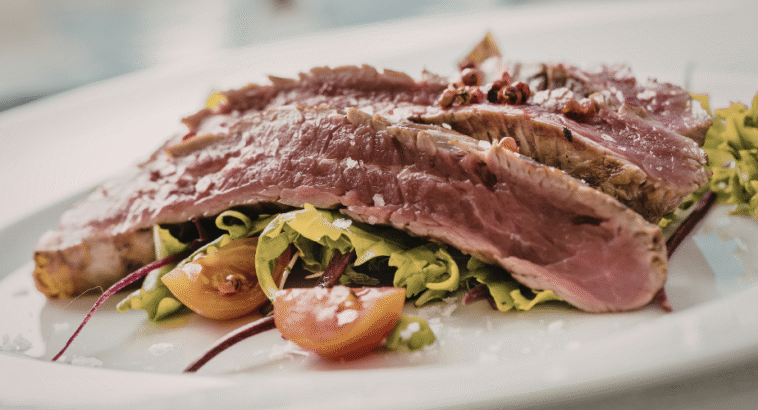
What Is the Reverse Sear Steak Method?
The reverse sear steak method is a modern cooking technique that flips the traditional steak-cooking process to deliver more consistent, juicy, and evenly cooked results. Instead of searing the steak first and finishing it in the oven, the reverse sear steak approach starts with slow cooking the steak at a low oven temperature and ends with a quick, high-heat sear to form a rich, flavorful crust. This method allows the internal temperature of the steak to rise gradually and evenly, eliminating the thick gray overcooked band that often forms with high-heat cooking. Because the steak is brought close to its final doneness before searing, you gain precise control over the final temperature, making it much easier to achieve perfect medium rare or medium results without guesswork.
Ideal Temperatures for Reverse Sear Steak
Temperature control is the key to mastering the reverse sear steak technique. Begin by preheating your oven to a low temperature between 225°F and 275°F, which ensures gentle and even cooking throughout the meat. Place a thick-cut steak—preferably at least 1.5 to 2 inches thick—on a wire rack set over a baking sheet so that hot air circulates evenly around it. Cook the steak until it reaches about 10 to 15 degrees below your desired final internal temperature. For example, if you want a medium rare reverse sear steak with a final temperature of 130–135°F, you should remove it from the oven at around 115–120°F. For medium doneness (140–145°F final temperature), remove it from the oven at approximately 125–130°F. Using a digital meat thermometer is essential for accuracy, as timing alone can vary depending on steak thickness and oven performance.
Timing Guide for Perfect Results
While temperature should always guide your cooking, understanding approximate timing helps you plan your meal. When cooking at 250°F, a 1.5 to 2-inch-thick reverse sear steak typically takes about 20 to 30 minutes to reach medium rare and 30 to 40 minutes to reach medium. Thicker steaks may take slightly longer, while slightly higher oven temperatures will reduce cooking time. After removing the steak from the oven, you can let it rest briefly while preparing your pan for searing. The final sear should be done in a very hot cast iron skillet with a high smoke-point oil, cooking for about 45 to 60 seconds per side until a deep brown crust forms. Because the steak is already nearly at its target temperature, this final step is fast and focused solely on developing flavor and texture rather than cooking the interior further.
Why Reverse Sear Steak Produces Better Flavor and Texture
The reverse sear steak method stands out because it creates a beautifully uniform interior with exceptional tenderness while maximizing crust development on the outside. Slow cooking gently breaks down muscle fibers and allows moisture to redistribute evenly, resulting in a steak that is juicy throughout. The final high-heat sear triggers the Maillard reaction, producing a rich, caramelized crust packed with flavor without overcooking the inside. This combination of precise temperature control and intense finishing heat makes reverse sear steak one of the most reliable ways to achieve steakhouse-quality results at home. Whether you are preparing a ribeye, New York strip, porterhouse, or filet mignon, mastering the reverse sear steak method ensures perfect temperatures and timing every time.
Conclusion
The reverse sear steak method is one of the most effective ways to achieve a perfectly cooked steak with precise temperatures and ideal timing. By slowly bringing the steak up to temperature in a low oven and finishing it with a quick, high-heat sear, you gain complete control over doneness while creating a beautifully caramelized crust. This technique minimizes overcooking, eliminates the gray band around the edges, and delivers a juicy, tender interior from edge to edge. Whether you prefer medium rare or medium, mastering the reverse sear steak approach ensures consistent, steakhouse-quality results at home. With the right thermometer, proper timing, and a hot searing pan, this method can transform the way you cook thick-cut steaks forever.
FAQs
1. How thick should a steak be for reverse sear steak?
For best results, a reverse sear steak should be at least 1.5 to 2 inches thick. Thinner steaks cook too quickly and don’t benefit as much from the slow oven phase before searing.
2. What oven temperature is best for reverse sear steak?
An oven temperature between 225°F and 275°F works best. Lower temperatures provide more even cooking and better control over the steak’s internal temperature.
3. How long does reverse sear steak take?
At 250°F, a 1.5 to 2-inch steak typically takes about 20–30 minutes for medium rare and 30–40 minutes for medium. However, internal temperature is more important than exact timing.
4. Do you need to rest reverse sear steak?
Because the steak is cooked gently, it requires less resting time than traditional methods. A short 5–10 minute rest before or after searing is usually sufficient to allow juices to redistribute.
5. What is the final internal temperature for reverse sear steak?
For medium rare, aim for a final temperature of 130–135°F. For medium, aim for 140–145°F. Always remove the steak from the oven 10–15°F before your target temperature to account for the final sear.
6. Can you reverse sear steak on a grill?
Yes, you can cook the steak over indirect heat at a low temperature first, then move it to direct high heat to finish with a sear. This method adds a subtle smoky flavor while maintaining precise doneness.
7. Why is reverse sear steak better than traditional searing?
The reverse sear steak method provides more even doneness, better crust development, and greater temperature control, making it easier to achieve consistent, high-quality results every time.