

 ravi
ravi
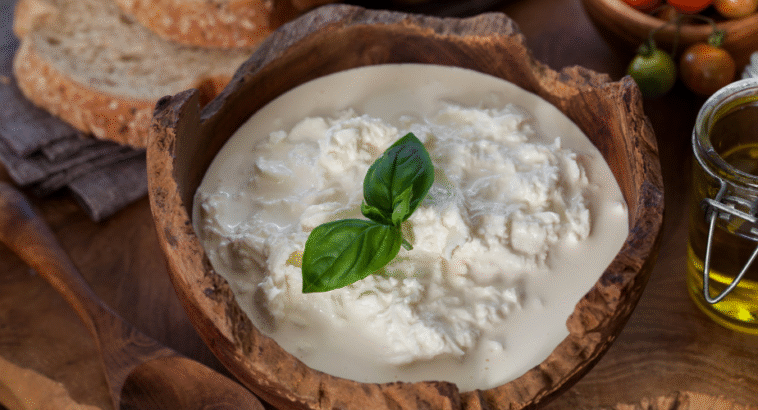
At first glance, stracciatella is one of those Italian specialties that seems simple, yet reveals layers of history, craftsmanship, and flavor the more you explore it. Whether creamy and cold in a cone or soft and delicate on fresh bread, this beloved creation represents the heart of traditional Italian cuisine. Originating in Italy, it has grown into a symbol of comfort and quality across the world.
Whether you encounter stracciatella in a gelato shop on a summer afternoon or at a rustic dinner table paired with olive oil and tomatoes, the experience is unforgettable. Its name comes from the Italian word stracciare, meaning “to shred” or “to tear,” which perfectly describes its texture in both its frozen and fresh cheese forms. By understanding stracciatella more deeply, you can elevate your culinary experiences and appreciate why it remains a timeless favorite.
The Origins and History of Stracciatella
The Birth of a Gelato Classic
The story of stracciatella begins in the northern Italian region of Lombardy, where innovative gelato makers experimented with textures and flavors during the mid-20th century. By drizzling melted chocolate into freshly churned milk-based gelato, they created delicate shards that hardened instantly upon contact with the cold mixture. This technique produced the signature chocolate flecks that define classic stracciatella gelato today.
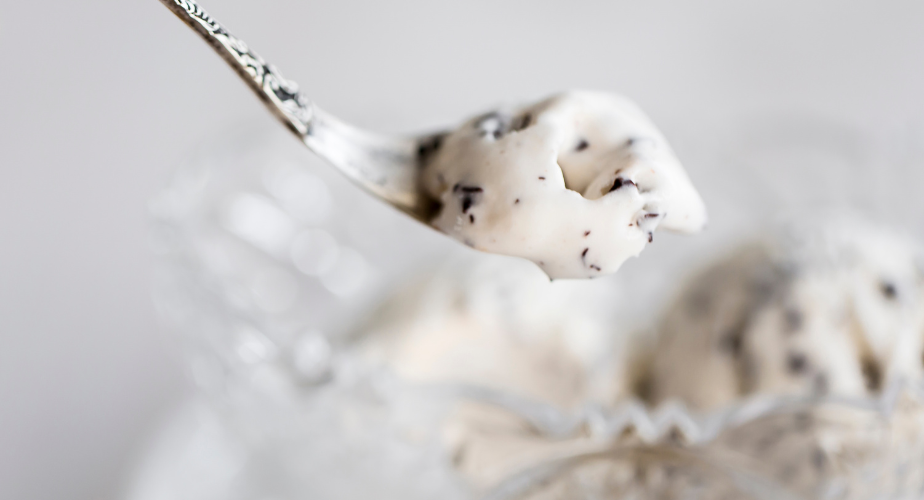
The flavor quickly gained popularity for its balance: creamy vanilla-like sweetness combined with crisp chocolate pieces. Unlike chocolate chip ice cream, where chips are pre-formed and mixed in, the magic of stracciatella lies in its spontaneous chocolate ribbons that break naturally into irregular flakes.
The Emergence of the Cheese Version
Interestingly, another form of stracciatella emerged in southern Italy, particularly in Puglia. Here, cheesemakers used shredded mozzarella curds mixed with fresh cream to create a soft, luxurious filling. This creamy mixture later became the center of burrata cheese, adding even more richness and depth to Italian dairy traditions.
Though gelato and cheese may seem worlds apart, both versions share the same textural inspiration: delicate strands or shards suspended in a creamy base.
Stracciatella Gelato vs. Stracciatella Cheese
Key Differences in Texture and Flavor
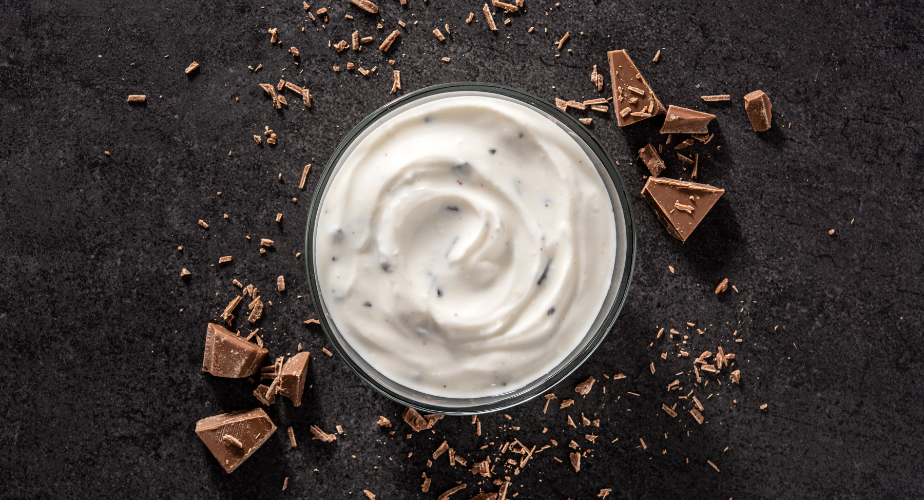
When most people hear stracciatella, they think of gelato—smooth, milky, and studded with thin chocolate flakes. The flavor profile is sweet and refreshing, making it a favorite in warm weather. Its texture is silky, with the chocolate adding just enough crunch to create contrast without overwhelming the cream base.
On the other hand, the cheese version is savory and fresh. It consists of shredded mozzarella soaked in sweet cream, resulting in a soft, spoonable consistency. Instead of dessert, this variation belongs on antipasto platters, salads, or artisan bread.
A Shared Culinary Philosophy
Despite their differences, both versions of stracciatella share an emphasis on freshness, simplicity, and quality ingredients. Neither relies on artificial flavoring or heavy processing. Instead, the beauty lies in the balance between creaminess and texture—a hallmark of Italian culinary design.
Ingredients That Define Authentic Stracciatella
Simplicity at Its Finest
Quality ingredients define exceptional stracciatella. For gelato, the foundation is whole milk, fresh cream, sugar, and high-quality dark chocolate. The chocolate must be smooth enough to pour in a thin stream, forming delicate flakes when it hits the cold mixture.
Authentic stracciatella relies on fresh dairy products with minimal additives. In Italy, many gelaterias pride themselves on daily preparation, ensuring optimal flavor and texture.
The Cheese Composition
For the cheese variation, only two elements are essential: mozzarella curds and fresh cream. The curds are gently shredded and mixed with cream to create a soft, rich consistency. Because it contains fresh dairy, it should be consumed quickly for the best taste and safety.
The purity of these ingredients explains why freshness is critical when selecting either form.
How to Enjoy Stracciatella Gelato
Serving Temperature and Texture
To savor stracciatella gelato properly, it should be served slightly warmer than standard ice cream. This allows the creamy base to soften and the chocolate shards to remain crisp without becoming rock-hard. Ideally, let it sit for a minute or two after scooping before taking your first bite.
Pairing stracciatella with espresso creates a delightful contrast between hot and cold, bitter and sweet. In cities like Rome, locals often enjoy gelato during evening strolls, turning dessert into a daily ritual rather than a rare indulgence.
Creative Pairings
You can elevate the experience by pairing it with fresh berries, crushed pistachios, or a drizzle of hazelnut spread. For a more decadent dessert, serve it alongside warm brownies or almond biscotti. The contrast in temperature enhances the chocolate flakes and amplifies the creamy richness.
How to Enjoy Stracciatella Cheese
Fresh and Simple Preparations
Fresh stracciatella cheese shines brightest when kept simple. Spoon it onto toasted sourdough bread and finish with sea salt, cracked black pepper, and extra virgin olive oil. The creaminess spreads effortlessly, making it an ideal appetizer for gatherings.
Drizzling olive oil over stracciatella and adding ripe tomatoes creates a vibrant dish reminiscent of a Caprese salad but with added indulgence. The cream blends with tomato juices, forming a naturally rich sauce.
Elevated Culinary Uses
Beyond appetizers, the cheese can be used to top pizzas after baking, stir into warm pasta for added creaminess, or fill handmade ravioli. Its delicate structure makes it versatile, though it should never be overheated, as high temperatures can separate the cream.
Delicious Recipes Featuring Stracciatella
Bruschetta with Creamy Topping
A simple stracciatella bruschetta begins with grilled artisan bread rubbed lightly with garlic. Spread the cheese generously, then top with roasted cherry tomatoes, basil leaves, and a splash of balsamic glaze. The combination of crunchy bread and soft cream makes it unforgettable.
Homemade Frozen Dessert
For dessert, try a homemade stracciatella ice cream made by churning a vanilla custard base and slowly pouring melted dark chocolate during the final minutes. As the chocolate hits the cold mixture, it solidifies instantly into delicate flakes. The result rivals artisan gelato shops and can be customized with citrus zest or almond extract for subtle variation.
Nutritional Insights and Moderation
Like many dairy treats, stracciatella should be enjoyed in moderation. Gelato tends to contain less air than traditional ice cream, making it denser and often richer in flavor per spoonful. However, its ingredient list is typically shorter and more natural.
The cheese variation provides protein and calcium but also includes cream, increasing fat content. Choosing high-quality sources ensures you enjoy clean flavors without unnecessary additives. Balance is key—small portions can satisfy cravings while maintaining a healthy lifestyle.
Buying and Storing Tips
Selecting Quality Products
When purchasing gelato, look for muted, natural colors rather than artificially bright shades. The chocolate flecks should appear thin and irregular. For cheese, freshness is critical. Check the packaging date and ensure it remains refrigerated at all times.
Proper Storage
Gelato should be stored in the coldest part of your freezer and consumed within a week for optimal texture. Cheese should remain sealed and eaten within a few days of opening. Because both versions are delicate, temperature fluctuations can compromise quality.
Cultural Significance and Global Popularity
Stracciatella represents the Italian philosophy of transforming simple ingredients into culinary art. Its worldwide popularity reflects a broader appreciation for authentic, minimally processed foods. Today, chefs experiment with variations—white chocolate flakes, flavored creams, or seasonal ingredients—while preserving the essence that made it famous.
From traditional Italian kitchens to modern fusion restaurants, this treat continues to evolve while honoring its roots.
Frequently Asked Questions (FAQs)
1. Is this treat always sweet?
No. The frozen version is sweet and served as dessert, while the cheese version is savory and typically used in appetizers or main dishes.
2. What makes the chocolate flakes different from regular chocolate chips?
The flakes are formed by pouring melted chocolate directly into the cold mixture, creating thin, irregular shards rather than uniform chips.
3. Can it be made at home without special equipment?
Yes. For the frozen version, an ice cream maker helps achieve smooth texture, but no-churn methods also work. The cheese version requires access to fresh mozzarella curds and cream.
4. How long does the cheese stay fresh?
It is best consumed within two to three days when kept refrigerated in an airtight container.
5. Is it suitable for vegetarians?
Generally, yes, though some cheese varieties may use animal-based rennet. Always check labels if dietary restrictions apply.
6. Can lactose-intolerant individuals enjoy it?
Those with lactose sensitivity may need lactose-free dairy alternatives, as traditional preparation relies heavily on milk and cream.
7. What wine pairs well with the savory version?
Light white wines such as Pinot Grigio or Sauvignon Blanc complement its creamy texture without overpowering delicate flavors.
Final Thoughts
From gelato counters to artisan cheese boards, stracciatella embodies the elegance of Italian culinary tradition. Its combination of creamy texture and delicate shreds—whether chocolate or mozzarella—creates a sensory experience that feels both comforting and refined. By understanding its origins, ingredients, and serving methods, you can fully appreciate why it remains a cherished staple in kitchens and cafés worldwide.