 ravi
ravi
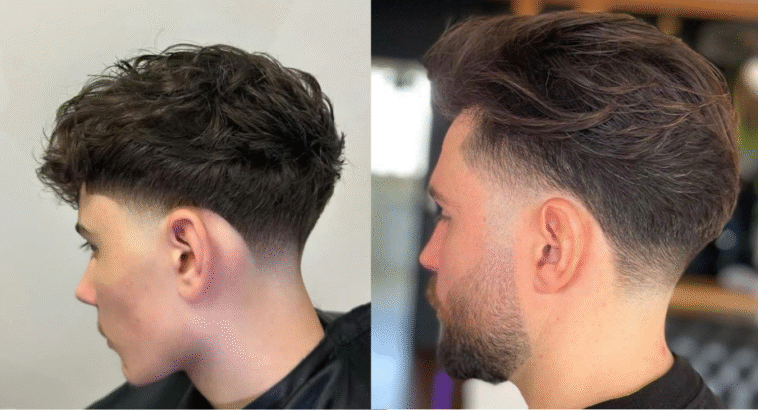
The taper haircut has become one of the most requested men’s hairstyles worldwide and for good reason. Clean, versatile, and endlessly customizable, the taper haircut blends classic barbering with modern style. Whether you prefer a subtle, professional finish or a sharp, fashion-forward look, a well-executed taper can elevate your appearance without looking forced.
In recent years, the taper haircut has dominated barbershops, social platforms, and celebrity grooming trends. Yet many men still walk into salons unsure how to ask for the right taper, what style suits their face shape, or how to maintain the look afterward. In this guide, you’ll discover what defines a taper haircut, the top taper haircut styles today, how to communicate clearly with your barber, and expert-level tips to keep your cut sharp. By the end, you’ll know exactly how to get the perfect taper, not just a decent one.
What Is a Taper Haircut?
A taper haircut refers to hair that gradually shortens as it moves from the top of the head down to the neckline and sideburns. Unlike abrupt transitions, a taper creates a smooth, blended progression of length.
The defining feature of a taper haircut is subtlety. Instead of dramatic contrast, the taper slowly reduces bulk around the edges, giving the haircut a clean outline while preserving fullness on top.
This technique makes the taper extremely adaptable. It can support professional business styles, casual everyday cuts, and bold modern looks. It also pairs well with fades, textured crops, pompadours, waves, and curls.
In essence, a taper haircut doesn’t dictate a style, it enhances it.
Taper Haircut vs Fade Haircut: Understanding the Difference
Many people confuse a taper with a fade, but they are not identical.
A taper gradually shortens hair but does not usually go down to skin. Length is still visible near the neckline and sideburns. The transition feels natural and understated.
A fade, on the other hand, often blends hair all the way down to the skin. The contrast is stronger, and the visual effect is sharper.
The taper vs fade haircut debate comes down to finish and intensity. Tapers are refined and conservative. Fades are bold and high-impact.
Dancing between these two techniques is common. Many modern cuts incorporate a taper fade haircut, where the tapering motion ends in a faded finish.
Why the Taper Haircut Remains So Popular
The ongoing popularity of the taper haircut lies in its balance.
It offers structure without stiffness, style without excess, and versatility without trend dependence. A taper can work in a corporate boardroom, a creative studio, or a weekend setting.
Another reason is longevity. Tapers grow out more gracefully than aggressive fades. The gradual length transition hides regrowth, extending the clean appearance between barber visits.
From a grooming perspective, the taper haircut enhances natural head shape, sharpens the jawline visually, and keeps hairlines tidy without extreme exposure.
This makes it ideal for men who want consistent style with minimal risk.
The Core Types of Taper Haircuts
Understanding the major taper variations helps you choose the right foundation.
Low Taper Haircut
A low taper haircut starts tapering just above the ears and neckline. Most of the hair remains long, making it subtle and conservative.
This option works well for professionals, first-time taper clients, and men who want polish without drama.
Low tapers pair beautifully with side parts, comb-overs, and medium-length styles.
Mid Taper Haircut
The mid taper begins higher, typically between the temple and the ear.
It offers a noticeable clean-up while preserving balance. This style bridges classic and modern aesthetics.
Mid tapers complement textured tops, quiffs, and loose pompadours.
High Taper Haircut
A high taper haircut begins much higher on the head, closer to the temples.
This version adds sharpness and edge while maintaining gradual blending.
High tapers often appear in fashion-forward and athletic looks and pair well with short crops or structured tops.
Classic Taper Haircut
The classic taper haircut focuses on natural blending and conservative proportions.
It emphasizes neat sideburns, a refined neckline, and controlled bulk.
This remains the gold standard for timeless men’s grooming.
Top Taper Haircut Styles Today
A taper is a technique. The style depends on what sits above it.
Taper with Textured Crop
This modern staple combines messy texture on top with clean tapering around the sides.
It works especially well for men with straight or slightly wavy hair.
Texture adds volume while the taper keeps the silhouette sharp.
Taper Pompadour
The pompadour gains structure and cleanliness from a taper.
Height on top contrasts subtly with controlled edges.
This style fits formal and creative settings equally well.
Curly Taper Haircut
Curls benefit greatly from tapering.
A tapered edge removes bulk while allowing natural curl shape to dominate.
This cut enhances facial symmetry and reduces maintenance challenges.
Taper with Side Part
This refined option suits professionals and classic style enthusiasts.
The taper sharpens the outline while the part defines the structure.
It remains one of the most universally flattering men’s taper haircut styles.
Taper Fade Hybrid
A taper fade haircut merges gradual tapering with faded lower edges.
This produces a modern, crisp finish without losing blend quality.
It’s especially popular among younger men and athletes.
Choosing the Right Taper Haircut for Your Face Shape
A truly perfect taper haircut adapts to the wearer, not the trend.
Oval Face
Almost all taper styles work well.
Focus on top volume and personal taste.
Round Face
High or mid tapers add vertical structure.
Avoid heavy bulk near the sides.
Square Face
Classic or low tapers soften strong angles.
Texture adds balance.
Long Face
Low tapers with fuller sides prevent excessive length illusion.
Avoid extreme height.
Understanding these proportions allows your barber to tailor the taper precisely.
How to Ask Your Barber for the Perfect Taper Haircut
Communication determines outcome.
Instead of saying “just a taper,” provide context.
Explain where you want the taper to start (low, mid, high).
Describe how short you want the neckline and sideburns.
Mention how you usually style your hair.
Showing reference photos helps bridge interpretation gaps.
Ask questions. A skilled barber will suggest adjustments based on hair type, growth patterns, and maintenance preference.
Precision in consultation often matters more than clipper skill.
Step-by-Step: How a Professional Taper Haircut Is Created
Understanding the process improves expectations.
First, the barber maps head shape and growth direction.
Next, they establish the top length and structure.
Then, tapering begins gradually from the natural hairline upward.
Blending follows, removing harsh transitions.
Finally, the neckline and sideburns are detailed.
The hallmark of a quality taper haircut is invisibility of lines.
Maintenance: Keeping Your Taper Sharp
Even the best taper needs upkeep.
On average, tapers maintain optimal shape for two to four weeks.
Neckline clean-ups can extend the lifespan.
Daily care includes gentle washing, light styling products, and occasional blow-drying.
Avoid over-oiling, which flattens transitions.
Consistent grooming sustains the precision of the taper.
Products That Enhance a Taper Haircut
Styling depends on finish goals.
Matte clays emphasize texture.
Pomades enhance shine and structure.
Creams soften curls and waves.
Light sprays control flyaways without stiffness.
The taper itself needs no product, but the top benefits from definition.
Common Mistakes with Taper Haircuts
One major pitfall is choosing height based on trends rather than face shape.
Another is requesting extreme contrast that undermines the taper effect.
Over-cleaning the neckline too frequently can disrupt blending.
Finally, ignoring hair growth patterns often leads to uneven regrowth.
A thoughtful approach avoids these issues.
Mini-Summary: Why the Taper Haircut Works
The taper haircut works because it enhances without overpowering.
It sharpens edges.
It adapts to styles.
It grows out cleanly.
It suits most face shapes.
This combination explains its enduring relevance.
The Cultural Impact of the Taper Haircut
From classic barbershops to social media grooming culture, the taper haircut bridges generations.
It respects traditional craftsmanship while accommodating modern creativity.
Celebrities, athletes, and professionals continue to adopt taper-based styles because they signal refinement without rigidity.
This cultural versatility cements the taper’s role as a foundation haircut rather than a fleeting trend.
Real-World Grooming Insight
Barbers consistently note that clients who shift to taper haircuts schedule fewer emergency fixes.
The gradual blending makes imperfections less visible.
This supports the taper’s reputation as one of the most forgiving high-quality haircuts.
Conclusion
The taper haircut remains one of the most powerful tools in men’s grooming because it adapts, enhances, and endures.
Whether you choose a low taper haircut for subtle refinement, a high taper haircut for bold structure, or a classic taper haircut for timeless appeal, the key lies in customization.
When paired with thoughtful consultation, face-shape awareness, and proper maintenance, the taper haircut becomes more than a style. It becomes a signature.
In a world of fast trends, the taper continues to prove that precision and balance never go out of fashion.
FAQs
1. What is a taper haircut?
A taper haircut gradually shortens hair from the top down to the neckline and sideburns, creating a smooth, blended, and natural transition.
2. How is a taper haircut different from a fade?
A taper leaves visible hair at the edges, while a fade blends down to the skin. Tapers appear more subtle and conservative.
3. How often should I get a taper haircut?
Most men refresh their taper haircut every two to four weeks, depending on hair growth speed and preferred sharpness.
4. Which taper haircut is best for professional settings?
Low and classic taper haircuts are ideal for professional environments because they look clean without being extreme.
5. Can a taper haircut work with curly hair?
Yes. Taper haircuts are excellent for curly hair because they control bulk while preserving natural texture.
6. Is a taper haircut good for all face shapes?
With proper adjustment, a taper haircut can suit any face shape. The starting height and top volume should be tailored individually.
7. What should I tell my barber when asking for a taper haircut?
Specify the taper height (low, mid, or high), show reference images, and describe how you plan to style your hair daily.