
 ravi
ravi
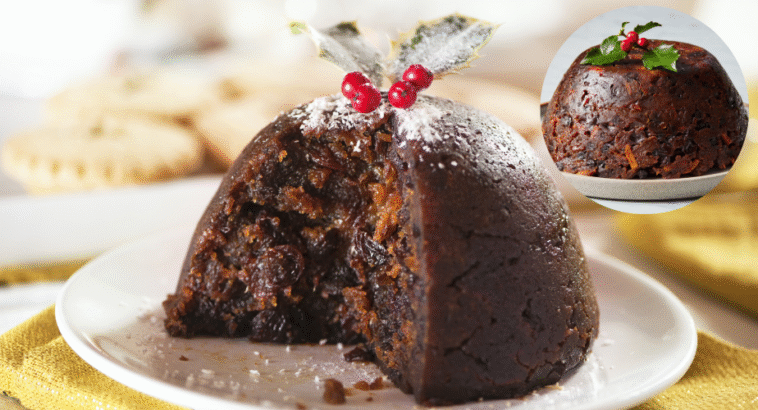
Every holiday season, the familiar line “Oh, bring us some…” sparks curiosity about figgy pudding. Many people know the phrase from classic Christmas songs, yet surprisingly few understand what this traditional dessert truly is, where it came from, or how it fits into festive culture. Is it a cake, a custard, or something entirely different? Why is it associated with winter celebrations? And does it actually contain figs?
This complete guide explores the full story behind figgy pudding—from its historical roots and cultural symbolism to its ingredients, preparation, variations, and modern relevance. You will discover how this dessert evolved, why it became linked to Christmas, how it compares to similar puddings, and how you can make or enjoy it today. Whether you are a food enthusiast, a home baker, or simply curious about holiday traditions, this article offers a clear, detailed, and practical understanding of one of the most iconic festive desserts.
What Is Figgy Pudding?
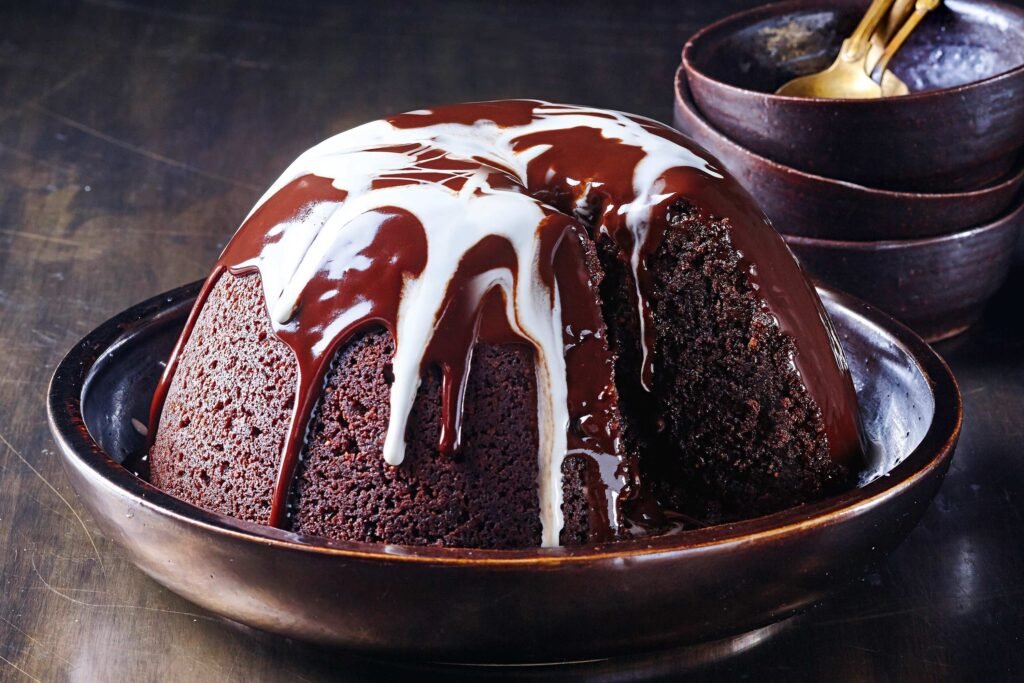
At its essence, figgy pudding is a rich, steamed dessert traditionally made with dried fruits, sweeteners, spices, and fat, bound together into a dense, moist pudding. Unlike modern custard-style puddings, it more closely resembles a dark fruit cake with a soft, spoonable texture.
Historically, the term “pudding” in Britain referred to any mixture of ingredients boiled or steamed in a cloth or basin. Over time, fruit-based puddings became associated with winter celebrations because dried fruits, spices, and preserved ingredients were most available during colder months.
The word “figgy” originally indicated the inclusion of figs, although many later versions replaced them with raisins, currants, or sultanas. Despite this evolution, the name endured, preserving the pudding’s identity even as recipes changed.
The Origins and Historical Journey
To understand figgy pudding, it helps to trace its roots through centuries of culinary and social history.
Early medieval beginnings
The earliest ancestors of fig-based puddings appeared in medieval England. These were savory-sweet mixtures of grains, dried fruits, spices, and sometimes meat. They were slow-cooked in cauldrons, producing nourishing dishes suitable for cold winters.
At this time, sugar was rare and expensive. Sweetness primarily came from dried fruits, honey, or fruit preserves. Figs, imported from warmer regions, were valued for both flavor and keeping quality.
Transition into festive fare
By the 16th and 17th centuries, these boiled mixtures gradually became sweeter and more refined. Meat components declined, replaced by suet or butter. Spices such as nutmeg, cloves, and cinnamon added warmth and prestige.
These evolving puddings began appearing at celebratory feasts, particularly around Christmas, when families prepared their richest foods. The dense, long-lasting nature of the dessert made it ideal for advance preparation.
Victorian influence
During the Victorian era, Christmas traditions became more formalized. The pudding, now firmly sweet, gained symbolic rituals: stirring the mixture, adding charms, and aging it for weeks. Literature and carols helped cement its festive status.
Over time, figgy pudding became associated not only with food but with hospitality, abundance, and communal celebration.
Cultural Meaning and Festive Symbolism
This dessert was never just about taste. It reflected social values.
A symbol of abundance
The use of dried fruits, spices, and sweeteners represented prosperity. In times when fresh produce was scarce, such ingredients signified comfort and plenty.
A community ritual
Families often prepared the pudding together. Each member stirred the mixture and made a wish. This practice transformed cooking into ceremony.
A holiday emblem
The pudding eventually became shorthand for Christmas itself. Songs, poems, and stories used it as a symbol of generosity and festive cheer.
These layers of meaning explain why the dessert continues to resonate even among those who have never tasted it.
Traditional Ingredients Explained
Classic recipes varied by region and household, but several components were nearly universal.
Dried fruits formed the base. Figs, raisins, currants, and dates provided sweetness and texture. These fruits also contributed natural preservation qualities.
Fat added richness. Suet was common historically; butter became popular later.
Sweeteners included treacle, molasses, or brown sugar, deepening both flavor and color.
Binders such as breadcrumbs, flour, or eggs held the mixture together.
Spices like nutmeg, cinnamon, and cloves delivered warmth and aromatic depth.
Liquids, often ale, milk, or brandy, enhanced moisture and flavor.
Each ingredient had both practical and symbolic value, contributing to the pudding’s reputation as a “feast in a bowl.”
How Fig-Based Puddings Were Traditionally Prepared
Preparation was slow and deliberate, aligning with seasonal rhythms.
Ingredients were chopped, mixed, and rested to allow flavors to blend. The mixture was then placed into a cloth or basin and steamed for several hours.
Steaming created a gentle, even heat that prevented burning and preserved moisture. The pudding emerged dark, dense, and aromatic.
Many families aged the pudding for weeks, reheating it before serving. This maturation intensified flavors and improved texture.
Step-by-Step Preparation Overview
Although recipes differ, the traditional process followed consistent stages.
First, dried fruits were soaked to soften them and infuse them with flavor.
Next, dry and wet ingredients were combined into a thick batter.
Then, the mixture was packed into a basin and covered securely.
After that, the pudding was steamed for several hours.
Finally, it was cooled, stored, and later reheated before serving.
This extended method distinguished festive puddings from everyday desserts, reinforcing their special status.
Micro Case Note: A Victorian Household Example
In a mid-19th-century household, pudding day might involve the entire family. Children chopped fruit. Adults measured spices and fats. Everyone stirred the mixture clockwise for luck.
The pudding then steamed while the home filled with spice aromas. Once cooled, it was wrapped and stored until Christmas. On serving day, it was reheated, flamed with spirits, and brought to the table as a centerpiece.
This ritualized process elevated the dessert into an event rather than a dish.
Flavor Profile and Texture
A well-prepared fig-based pudding offers a layered experience.
The sweetness is deep rather than sugary, driven by fruit and treacle.
Spices contribute warmth without sharpness.
Fat provides richness, balancing the dried fruit.
The texture is moist yet firm, capable of being sliced or spooned.
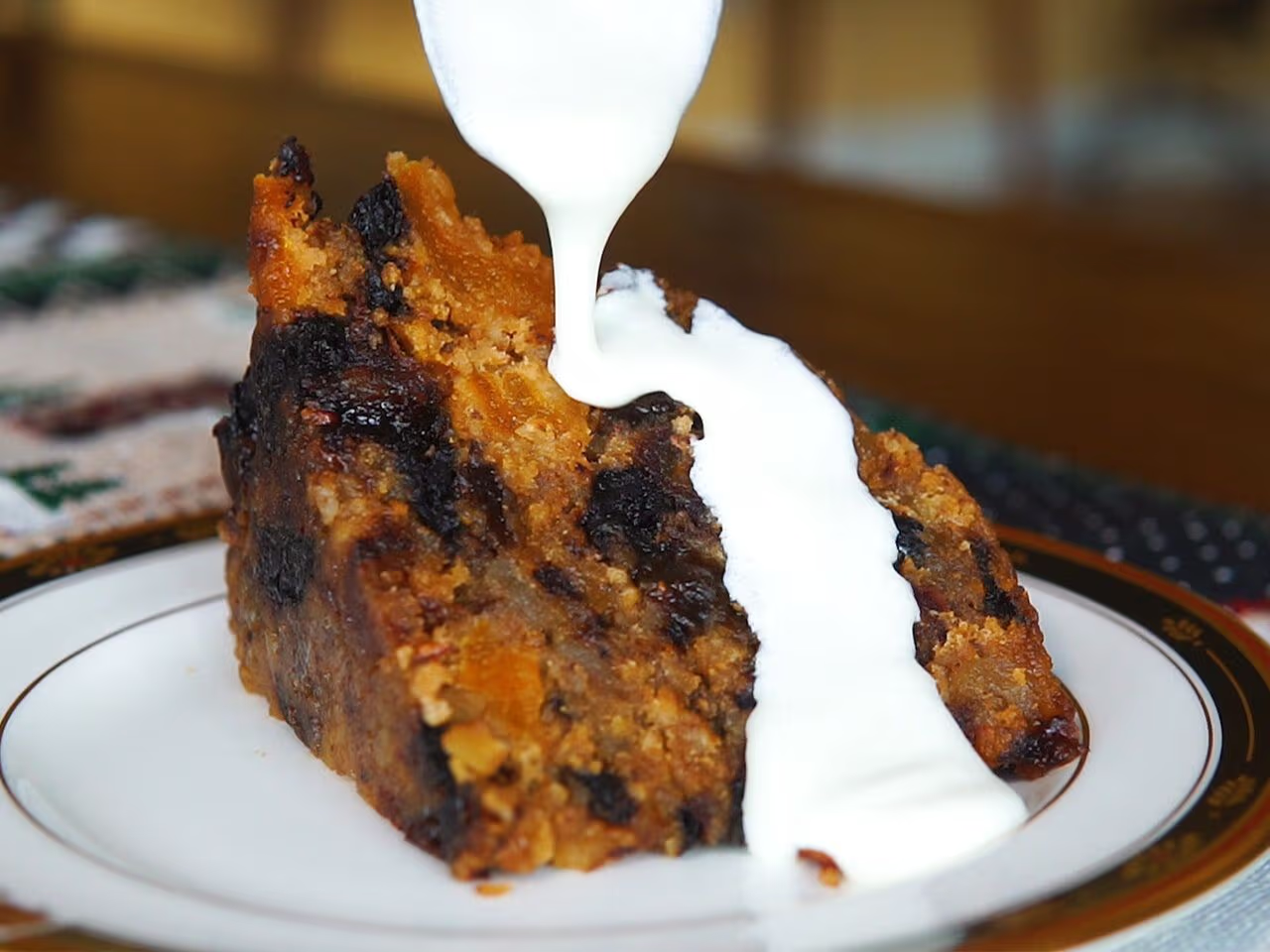
These qualities explain why it pairs well with contrasting sauces such as custard or cream.
Modern Interpretations and Recipe Evolution
As tastes changed, so did the dessert.
Suet was often replaced with butter or plant-based fats. Alcohol quantities were adjusted. Some recipes reintroduced figs prominently, while others focused on mixed dried fruits.
Health-conscious adaptations reduced sugar or incorporated whole grains. Contemporary chefs experimented with citrus zest, chocolate, or nuts.
Despite these variations, the essential identity remained: a dense, fruit-forward, celebratory pudding.
Figgy Pudding vs. Christmas Pudding
The terms are often used interchangeably, yet there are subtle distinctions.
Historically, fig-based puddings emphasized figs more strongly. Christmas pudding became a broader category of festive steamed desserts using assorted fruits.
Over time, figgy pudding evolved into a poetic or nostalgic name rather than a strict recipe. Modern Christmas puddings may contain no figs at all, yet they inherit the tradition.
Understanding this evolution helps clarify why different recipes claim authenticity.
Nutritional Perspective
While indulgent, the dessert offers some nutritional value.
Dried fruits provide fiber, minerals, and natural sugars.
Spices contain antioxidant compounds.
However, the pudding is calorie-dense and best enjoyed in moderation.
From a practical standpoint, small portions satisfy because of richness.
Pros and Cons of Traditional Fig-Based Puddings
Advantages
- Deep, complex flavor
- Long shelf life
- Strong cultural symbolism
- Suitable for advance preparation
Limitations
- Time-intensive preparation
- High calorie content
- Acquired taste for some palates
Recognizing both sides allows modern cooks to adapt recipes thoughtfully.
Common Mistakes and Pitfalls
Many attempts fail due to avoidable errors.
Insufficient soaking leads to hard fruit.
Overpacking prevents even steaming.
Inadequate sealing causes water intrusion.
Skipping resting time limits flavor development.
Awareness of these pitfalls increases success.
Practical Tips for Beginners
Start with a tested recipe.
Use quality dried fruits.
Chop ingredients evenly.
Steam gently, not aggressively.
Allow resting time.
Serve with a contrasting sauce.
These steps simplify a seemingly complex dessert.
Serving Traditions and Accompaniments
Historically, the pudding was served warm, often flamed with spirits for dramatic effect.
Common accompaniments included custard, brandy butter, or cream. These sauces added moisture and contrast.
The presentation was ceremonial. The pudding arrived as the centerpiece, signaling celebration.
Figgy Pudding in Literature and Song
Its fame owes much to popular culture.
Carols referenced it as a symbol of hospitality.
Literature portrayed it as a household treasure.
These artistic mentions preserved its image even as culinary habits changed.
Regional and International Influences
As British traditions spread, variations emerged.
In the Caribbean, tropical fruits were added.
In North America, local dried fruits replaced imported figs.
In Australia, the pudding adapted to warmer climates and alternative seasonal menus.
Each version maintained the essence while reflecting local identity.
The Role of Preservation
One reason fig-based puddings endured was their durability.
Dried fruits, sugar, and alcohol preserved the mixture naturally. In eras before refrigeration, this quality was invaluable.
Long shelf life allowed families to prepare well in advance, reducing holiday workload.
Mini Summary: What We Know So Far
This festive dessert began as a medieval boiled mixture and evolved into a symbolic holiday pudding. Its ingredients, methods, and meanings reflect centuries of social change. Understanding this background deepens appreciation beyond taste.
Making Fig-Inspired Puddings Today
Modern kitchens benefit from technology. Steamers and slow cookers simplify preparation. Pre-chopped fruits save time.
Yet many still enjoy preserving tradition by following older methods, valuing the process as much as the result.
Creative Uses and Pairings
Beyond traditional serving, fig-based puddings inspire innovation.
They can be crumbled into parfaits, layered in trifles, or paired with ice cream. Chefs sometimes pan-sear slices to create caramelized surfaces.
These approaches connect heritage with contemporary taste.
Ethical and Ingredient Considerations
Today’s cooks often consider sourcing.
Using responsibly produced dried fruits, fair-trade sugar, and plant-based fats aligns tradition with modern values.
Adaptation keeps the dessert relevant.
The Emotional Connection
Holiday foods evoke memory. For many families, the pudding represents continuity across generations. Even those who rarely eat it recognize its symbolic power.
Food becomes a vessel for story, nostalgia, and belonging.
Why Figgy Pudding Still Matters
Despite evolving tastes, figgy pudding endures because it represents more than flavor. It embodies patience, sharing, and celebration. It reminds people that some foods are not merely consumed but commemorated.
Conclusion
Figgy pudding stands at the intersection of food, history, and culture. Its journey from medieval kitchens to modern holiday tables reveals how recipes carry meaning across centuries. Rich, dense, and aromatic, it embodies the spirit of winter celebrations.
Whether enjoyed traditionally, adapted creatively, or appreciated symbolically, this dessert continues to connect generations. Understanding its origins, preparation, and evolution allows us not only to taste it but to value it.
In exploring fig-based puddings, we rediscover how food can preserve memory, mark time, and bring people together.
FAQs
1. What is figgy pudding actually made of?
It traditionally contains dried fruits, sweeteners, fat, spices, and binding ingredients, steamed into a dense dessert.
2. Is figgy pudding the same as Christmas pudding?
They are closely related. Figgy pudding historically emphasized figs, while Christmas pudding is a broader festive fruit pudding tradition.
3. Does figgy pudding always contain figs?
Not always. Many modern versions use mixed dried fruits, though figs were common in early recipes.
4. Why is figgy pudding linked to Christmas?
Its rich ingredients, long shelf life, and ceremonial preparation made it ideal for winter celebrations.
5. Is figgy pudding healthy?
It contains beneficial nutrients from dried fruits but is calorie-dense, so it is best enjoyed in moderation.
6. Can beginners make figgy pudding at home?
Yes. With careful preparation and patience, it is approachable, especially using modern steaming tools.
7. What does figgy pudding taste like?
It is sweet, deeply fruity, warmly spiced, and moist, often balanced with creamy or buttery sauces.