
 ravi
ravi
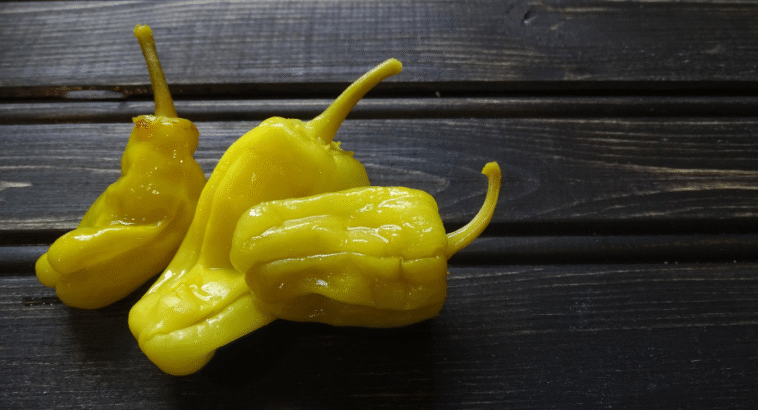
Pepperoncini is one of the most versatile and underrated peppers in the culinary world. Known for its mild heat, tangy flavor, and crisp texture, pepperoncini has become a staple ingredient in salads, sandwiches, pizzas, and Mediterranean dishes. Whether you’ve tasted pepperoncini on a Greek salad or inside a sub sandwich, you already know how this small green pepper can elevate flavor instantly. Unlike hotter chili varieties, pepperoncini offers a balanced profile—slightly sweet, slightly sour, and gently spicy.
Originating from Mediterranean regions, pepperoncini is especially popular in Italian and Greek cuisine. The pepper is typically harvested when green and pickled in vinegar and brine, which enhances its tangy character. Today, pepperoncini is widely available in jars at grocery stores and is appreciated for both its taste and convenience.
If you are looking to expand your cooking skills or simply want to understand why pepperoncini has become such a beloved ingredient, this comprehensive guide will walk you through its flavor, uses, health benefits, storage tips, and easy recipes you can try at home.
What Is Pepperoncini?
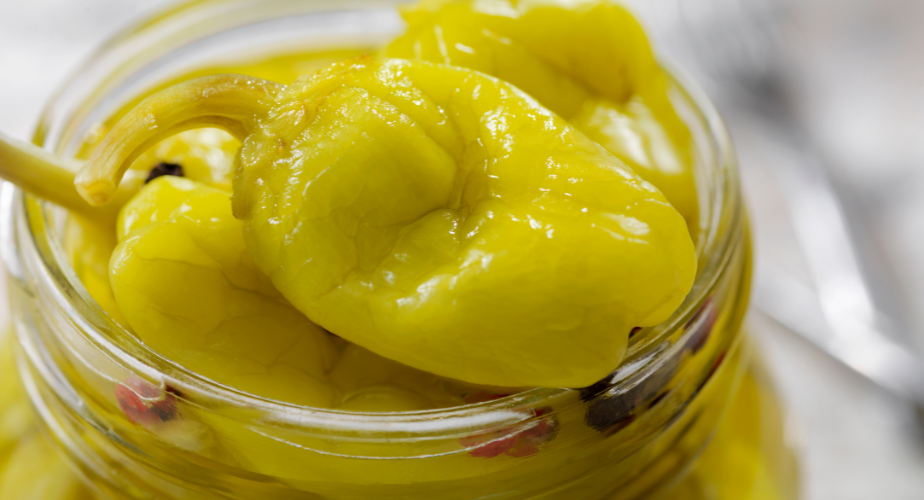
Pepperoncini is a mild chili pepper variety belonging to the species Capsicum annuum. It is commonly referred to as Tuscan pepper, sweet Italian pepper, or Greek golden pepper. Although the spelling may vary—pepperoncini, peperoncini, or pepperoncino—the meaning remains the same: a small, thin-walled chili pepper with low heat intensity.
On the Scoville Heat Scale, pepperoncini typically measures between 100 and 500 Scoville Heat Units (SHU), making it significantly milder than jalapeños, which range from 2,500 to 8,000 SHU. This mild heat is one of the main reasons pepperoncini is widely loved. It adds brightness and zest without overwhelming the palate.
Pepperoncini is usually harvested while still green or yellowish-green. Once picked, it is often pickled in vinegar and salt brine, giving it a signature tangy flavor. Fresh pepperoncini can also be used in cooking, though the pickled version is far more common in markets worldwide.
Its thin skin and juicy flesh make pepperoncini perfect for slicing, stuffing, or using whole in recipes. From deli sandwiches to roasted meat dishes, pepperoncini brings a refreshing acidity that balances rich and savory flavors beautifully.
Pepperoncini Flavor Profile
The flavor of pepperoncini is what truly sets it apart from other peppers. Unlike fiery chilies that focus solely on heat, pepperoncini delivers complexity. The first taste is mildly tangy due to the pickling process, followed by subtle sweetness and a gentle spicy finish.
When eaten fresh, pepperoncini has a slightly grassy and crisp flavor with mild heat. Once pickled, the vinegar enhances its brightness, making it ideal for cutting through fatty or heavy dishes. This tangy kick is why pepperoncini pairs so well with cured meats, cheeses, and grilled proteins.
Texture also plays a role in the appeal of pepperoncini. It is tender yet crunchy, offering a satisfying bite. The thin walls of the pepper allow the brine to penetrate deeply, ensuring each bite is flavorful.
If you compare pepperoncini to banana peppers, you may notice similarities in shape and color. However, pepperoncini generally has a more pronounced tang and slightly firmer texture. It is less sweet than banana peppers and offers a balanced flavor that works in both cold and hot dishes.
Overall, pepperoncini is not about extreme spice—it is about flavor enhancement. It brings brightness, acidity, and depth without overpowering other ingredients.
Culinary Uses of Pepperoncini
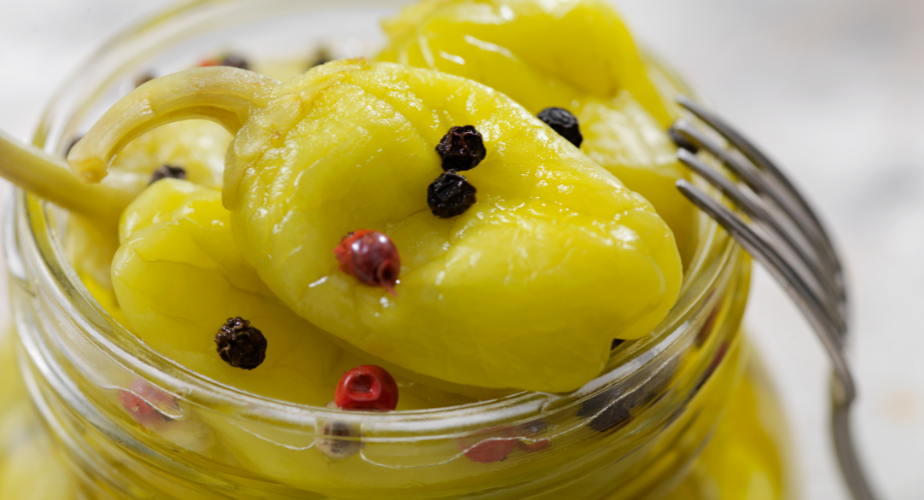
Pepperoncini is a culinary powerhouse that can transform everyday dishes into something memorable. Because of its mild heat and tangy profile, pepperoncini works beautifully in a variety of cuisines and recipes.
Salads and Cold Dishes
One of the most popular uses of pepperoncini is in salads. It is a key ingredient in Greek salads, pasta salads, and antipasto platters. Sliced pepperoncini adds a burst of acidity that complements olives, feta cheese, tomatoes, and cucumbers.
Sandwiches and Wraps
Pepperoncini is a classic topping for deli sandwiches, hoagies, and wraps. It pairs exceptionally well with turkey, roast beef, salami, and provolone cheese. The tangy flavor helps balance rich meats and creamy sauces.
Pizza and Flatbreads
Adding pepperoncini to pizza provides a vibrant contrast to melted cheese and savory toppings. Whether scattered on top before baking or added fresh afterward, pepperoncini enhances both texture and taste.
Slow-Cooked Meats
Pepperoncini is famous for its role in slow-cooker recipes like Mississippi pot roast. When cooked slowly with beef, butter, and seasonings, pepperoncini infuses the meat with tangy depth and subtle heat.
Pasta and Rice Dishes
Chopped pepperoncini can be stirred into pasta sauces or rice dishes for added brightness. It works especially well with creamy sauces, cutting through richness and adding dimension.
The versatility of pepperoncini means you can experiment freely. Whether used whole, sliced, or chopped, it brings excitement to simple meals.
Health Benefits of Pepperoncini
Pepperoncini is not only flavorful but also offers nutritional benefits. Although small in size, pepperoncini contains vitamins and antioxidants that support overall health.
Pepperoncini is low in calories and fat, making it a guilt-free addition to meals. It provides vitamin C, which supports immune health and skin vitality. Additionally, pepperoncini contains vitamin A, important for eye health and immune function.
The mild capsaicin present in pepperoncini may help boost metabolism and improve digestion. Capsaicin is known for its anti-inflammatory properties and potential cardiovascular benefits. While pepperoncini is not extremely spicy, it still offers some of these health-supporting compounds.
Because pepperoncini is typically pickled, it may contain sodium due to the brining process. If you are monitoring salt intake, consider rinsing pepperoncini before consuming it.
Overall, pepperoncini is a healthy way to add flavor without extra calories, sugar, or fat. It enhances taste naturally while contributing valuable nutrients.
How to Store Pepperoncini
Proper storage ensures pepperoncini maintains its flavor and texture. If you purchase jarred pepperoncini, keep it refrigerated after opening. Always ensure the peppers remain submerged in brine to preserve freshness and prevent spoilage.
Unopened jars of pepperoncini can be stored in a cool, dry pantry until the expiration date. Once opened, they typically last several weeks in the refrigerator.
Fresh pepperoncini should be stored in the refrigerator inside a breathable produce bag. They usually remain fresh for up to one week. If you have an abundance of fresh pepperoncini, consider pickling them at home to extend their shelf life.
Freezing is another option, though it may soften the texture. Frozen pepperoncini works best in cooked dishes rather than salads.
Proper storage keeps pepperoncini crisp, tangy, and ready for your next recipe.
Easy Pepperoncini Recipes
Pepperoncini can shine in simple recipes that require minimal preparation. Below are easy ideas you can try at home.
1. Pepperoncini Chicken
Place chicken breasts in a baking dish. Add sliced pepperoncini, garlic, olive oil, and Italian seasoning. Bake until fully cooked. The pepperoncini creates a juicy, flavorful sauce perfect for serving over rice.
2. Pepperoncini Pasta
Toss cooked pasta with olive oil, sautéed garlic, chopped pepperoncini, cherry tomatoes, and Parmesan cheese. This quick meal is fresh, tangy, and satisfying.
3. Pepperoncini Dip
Blend cream cheese, Greek yogurt, chopped pepperoncini, and herbs. Serve with crackers or vegetable sticks for a flavorful appetizer.
4. Pepperoncini Pizza
Top your favorite pizza dough with mozzarella, grilled chicken, red onions, and sliced pepperoncini. Bake until golden and bubbly.
These easy recipes highlight how pepperoncini can elevate everyday meals effortlessly.
Growing Pepperoncini at Home
Growing pepperoncini at home can be a rewarding experience. Pepperoncini plants thrive in warm climates with plenty of sunlight. They require well-draining soil and consistent watering.
Start seeds indoors about 8–10 weeks before the last frost date. Once seedlings are strong, transplant them outdoors into sunny garden beds or containers. Pepperoncini plants typically produce peppers within 60–75 days.
Harvest pepperoncini when they are green and firm. The earlier you harvest, the milder the flavor. Allowing them to ripen slightly increases sweetness.
Homegrown pepperoncini can be used fresh, roasted, or pickled. Growing your own ensures a steady supply of this flavorful pepper throughout the season.
Pepperoncini vs. Other Peppers
Pepperoncini is often compared to other mild peppers like banana peppers and cubanelle peppers. While they look similar, there are differences.
Pepperoncini is typically more tangy and slightly more complex in flavor than banana peppers. Banana peppers are sweeter and less acidic. Cubanelle peppers are larger and commonly used for stuffing.
Compared to jalapeños, pepperoncini is far milder. Jalapeños bring noticeable heat, while pepperoncini focuses on tang and subtle spice.
Understanding these differences helps you choose the right pepper for your recipe.
FAQs About Pepperoncini
1. Is pepperoncini spicy?
Pepperoncini is mildly spicy, usually measuring 100–500 SHU. It adds gentle heat without overwhelming the dish.
2. Can you eat pepperoncini raw?
Yes, fresh pepperoncini can be eaten raw. However, it is most commonly consumed pickled.
3. What dishes use pepperoncini?
Pepperoncini is used in salads, sandwiches, pizzas, pasta, slow-cooked meats, and dips.
4. Are pepperoncini and banana peppers the same?
No, although similar in appearance, pepperoncini is more tangy and slightly less sweet than banana peppers.
5. How long does pepperoncini last after opening?
When refrigerated and kept in brine, opened pepperoncini can last several weeks.
6. Can pepperoncini be frozen?
Yes, but freezing may soften the texture. It is best used in cooked dishes after freezing.
7. Is pepperoncini healthy?
Pepperoncini is low in calories and contains vitamins A and C, making it a healthy addition to meals.
Final Thoughts
Pepperoncini is a small pepper with big impact. Its mild heat, tangy flavor, and incredible versatility make it a must-have ingredient in any kitchen. From salads and sandwiches to hearty slow-cooked meals, pepperoncini enhances dishes without overpowering them.
Whether you buy it pickled in a jar or grow it fresh at home, pepperoncini offers endless possibilities. By understanding its flavor, uses, and storage tips, you can confidently incorporate pepperoncini into your cooking routine.